
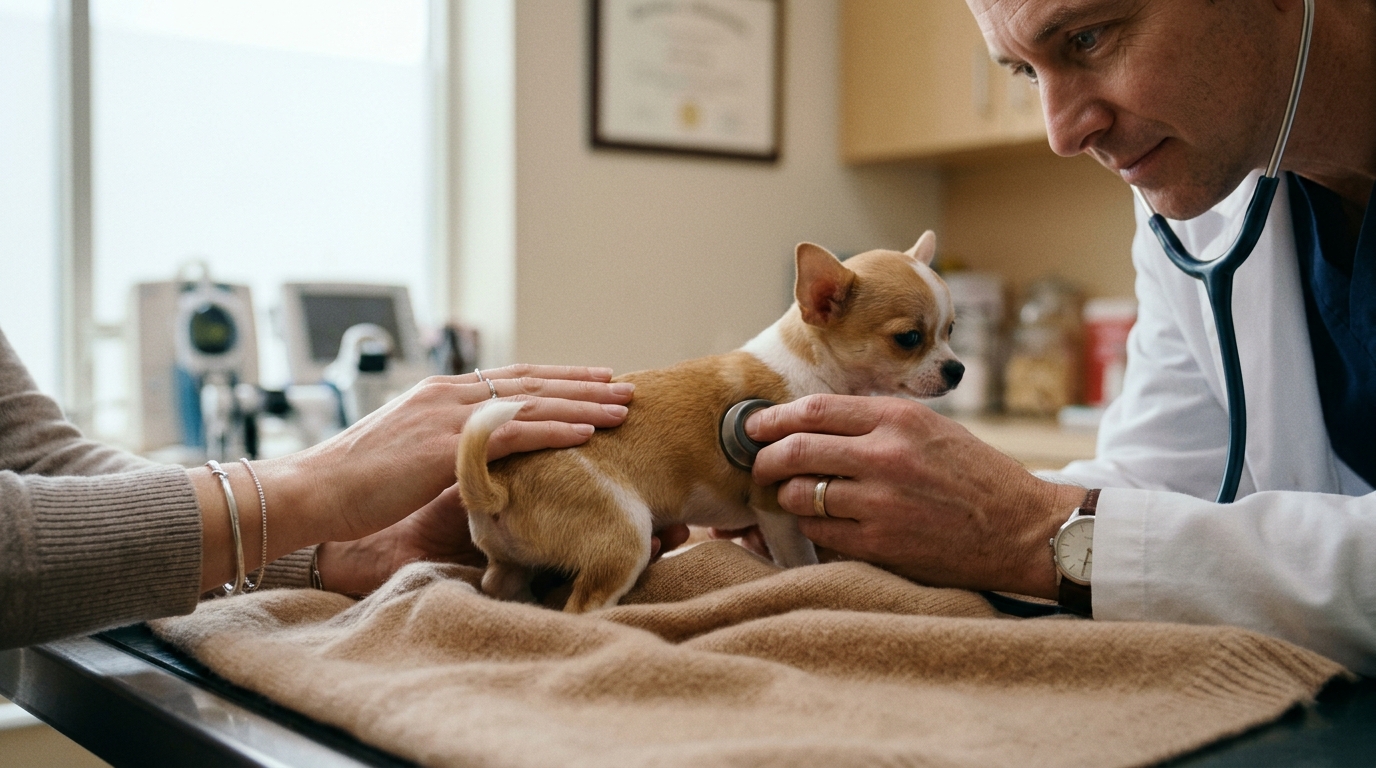
When you bring home a teacup Chihuahua puppy from Teacup Tails, the initial veterinary health check is a critical milestone. This exam verifies the puppy's physical development, confirms vaccination status, and screens for breed-specific health risks. It ensures your new companion is healthy, socialized, and ready for its new home. This guide details exactly what happens during this first professional assessment.
The Scope of the Initial Physical Examination
The first visit focuses on a comprehensive head-to-tail physical assessment. The veterinarian will measure the puppy's weight, body temperature, and heart rate. These baseline metrics are essential for establishing a health profile. For teacup breeds, precise weight monitoring is vital to prevent hypoglycemia, a condition where blood sugar drops dangerously low. The vet will also palpate the abdomen to check for organ size and detect any abnormalities. This hands-on approach provides the first objective data on your puppy's internal health.
Cardiovascular and Respiratory Assessment
Chihuahuas, particularly teacup varieties, are predisposed to certain heart conditions. The veterinarian will listen to the heart with a stethoscope to detect any murmurs or irregular rhythms. They will also observe the respiratory rate and listen for lung sounds. This step is crucial because early detection of cardiac issues allows for timely management. A healthy heart rate for a puppy typically ranges between 100 and 180 beats per minute, depending on age and activity level.
Vaccination Verification and Core Protocol
Parasite Screening and Prevention
Even with a clean bill of health from the breeder, the vet will perform a fecal test to check for intestinal parasites. This is a standard procedure for all new puppies. The test looks for common parasites like roundworms, hookworms, and giardia. If any parasites are detected, the vet will prescribe a targeted deworming treatment. Preventative heartworm and flea medications are also often discussed during this visit. Establishing a consistent parasite prevention plan is a key part of the initial health check.
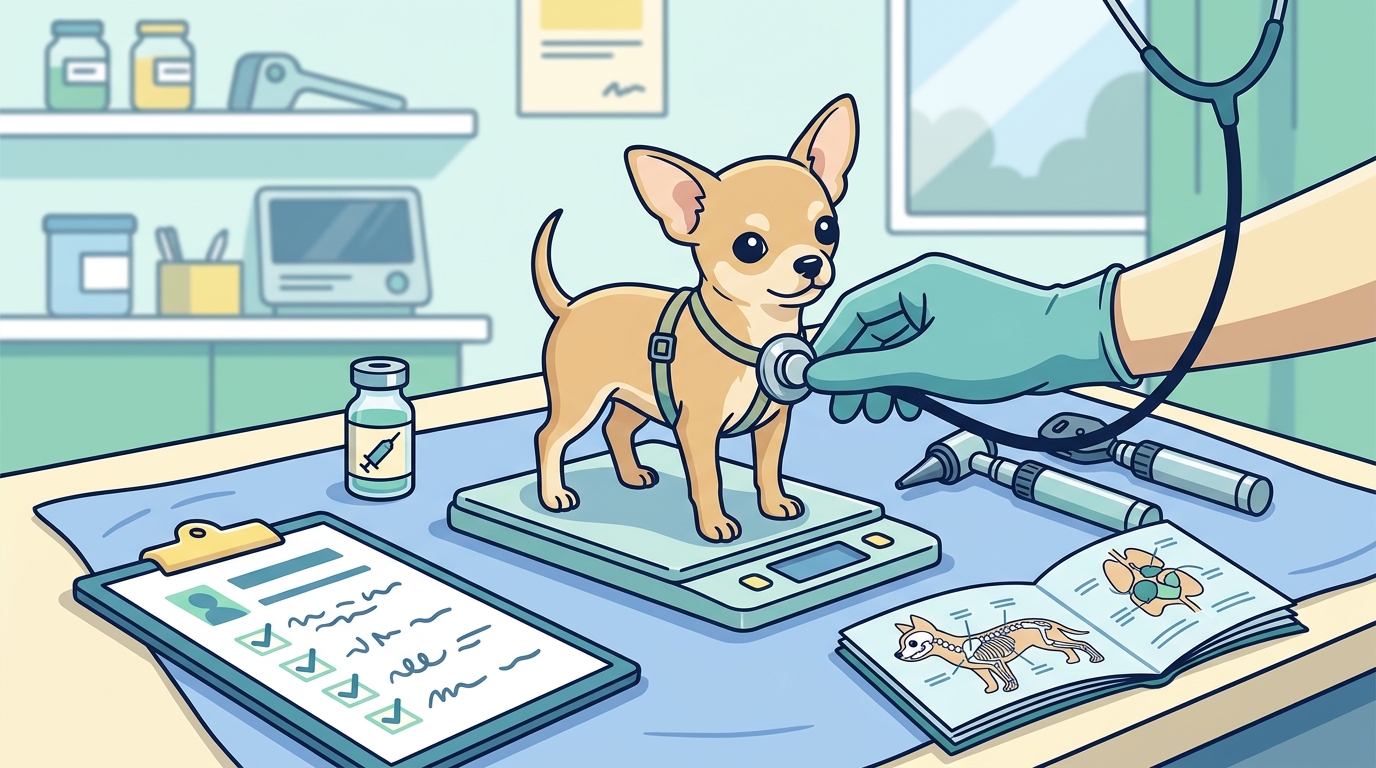
Breed-Specific Health Screening for Teacup Puppies
Teacup Chihuahuas face unique health challenges due to their small size. The veterinarian will pay special attention to the skull and jaw structure. Patellar luxation, where the kneecap dislocates, is a common orthopedic issue in the breed. The vet will manipulate the knee joints to check for stability. They will also examine the teeth, as small jaws can lead to overcrowding and dental disease. Early identification of these issues allows for proactive management. This specialized focus distinguishes a teacup Chihuahua exam from a standard dog checkup.
Patellar Luxation and Joint Stability
During the orthopedic exam, the vet will assess the stability of the patella. They will gently push the kneecap to see if it tracks properly in the groove. If the kneecap slips out of place, it is a sign of luxation. The severity is graded from one to four, with grade one being the mildest. Most grade one cases are managed with weight control and exercise modification. This specific check is a hallmark of a thorough teacup Chihuahua health assessment.
Behavioral Assessment and Socialization Review
Stress Indicators and Coping Mechanisms
Creating a Long-Term Health Management Plan
The initial vet check is the foundation for a lifelong health strategy. The veterinarian will provide a written summary of the exam findings. This document serves as a reference for future visits. The vet will also outline a preventive care schedule, including spay or neuter timing. They will discuss nutrition, recommending a diet specifically formulated for small breed puppies. This plan ensures that the puppy's unique needs are met as it grows. It transforms a single checkup into a comprehensive care roadmap.
Nutritional Guidance for Small Breeds
Key Takeaways
- Vaccination records from the breeder must be verified to ensure core vaccine coverage.
- Teacup Chihuahuas require specific screening for patellar luxation and dental issues.
- Behavioral assessment is a standard part of the exam to evaluate socialization and stress levels.
- A written health summary and preventive care schedule are provided at the end of the visit.
- Nutritional advice is tailored to the high metabolic needs of small breed puppies.
Frequently Asked Questions
What documents should I bring to the first vet visit?
You should bring the vaccination records and health guarantee provided by the breeder. These documents verify the puppy's immunization history and any known health conditions. They allow the veterinarian to build an accurate medical file from the start.
How much does the initial veterinary exam cost?
Will the vet perform a blood test during the first visit?
Blood tests are not always mandatory for the initial puppy visit, but they are often recommended. They can screen for underlying conditions and establish baseline values. The vet will advise if blood work is necessary based on the physical exam findings.
How often should I take my teacup Chihuahua to the vet?
Puppies typically need visits every three to four weeks for boosters until they are six months old. After that, annual wellness exams are standard for adult dogs. Teacup breeds may benefit from semi-annual checkups due to their specific health risks.
What if my puppy shows signs of illness after the first visit?
Contact your veterinarian immediately if you notice vomiting, diarrhea, lethargy, or loss of appetite. Do not wait for the next scheduled appointment. Early intervention is critical for small breed puppies who can deteriorate quickly.
Does the vet check for genetic conditions?
The physical exam can identify signs of genetic conditions like patellar luxation or heart murmurs. However, definitive genetic testing requires specific blood or DNA tests. The vet can discuss which genetic screenings are appropriate for your puppy.
How can I prepare my puppy for the vet visit?
Keep your puppy calm and avoid feeding a large meal right before the appointment. Bring a familiar toy or blanket to provide comfort. Arriving on time helps reduce stress for both you and your puppy.
Final Thoughts on Your Puppy's Health Journey
The veterinary health check is the first step in ensuring your teacup Chihuahua thrives in its new home. It provides a comprehensive baseline of physical and behavioral health. By understanding what to expect, you can advocate effectively for your puppy's well-being. Teacup Tails is committed to providing healthy, well-socialized puppies that are ready for this important transition. We encourage all new owners to schedule this initial visit promptly to establish a strong foundation for a lifetime of companionship.