

Dental disease is the most common health issue in Chihuahuas, affecting over 80% of dogs by age three. For tiny breeds like teacup Chihuahuas, small mouths and crowded teeth make plaque buildup faster and harder to clean. Teacup Tails emphasizes that consistent daily brushing and professional veterinary care are the only proven ways to prevent painful tooth loss and gum infection in these small companions. For additional details, review the Best Blogs for Teacup.
Why Small Dogs Face Higher Dental Risks
Chihuahuas have a unique dental structure that predisposes them to early decay. Brachygnathia is a condition where the jaw is shorter than the dental arch, causing teeth to overlap and trap food. In teacup varieties, this crowding is often more severe. The American Veterinary Medical Association notes that small breeds lose teeth at a significantly higher rate than large breeds due to this anatomical constraint. This structural reality means that standard dog care routines are often insufficient for a Chihuahua's oral health.
Because the teeth are so close together, plaque accumulates in the interproximal spaces where a toothbrush cannot easily reach. If left untreated, this plaque hardens into tartar, which harbors bacteria that cause periodontal disease. The implication for owners is that prevention must be proactive and mechanical, not just reactive. You cannot rely on the dog's natural chewing habits to clean these tight spaces.
The Critical Role of Daily Brushing
Professional veterinarians agree that daily brushing is the gold standard for preventing dental disease. Periodontal disease is a chronic inflammatory condition of the supporting structures of the teeth, including the gums and bone. It is the primary driver of tooth loss in small dogs. Brushing removes the soft plaque before it mineralizes into tartar, which can only be removed by a professional cleaning. For a teacup Chihuahua, this daily habit is non-negotiable.
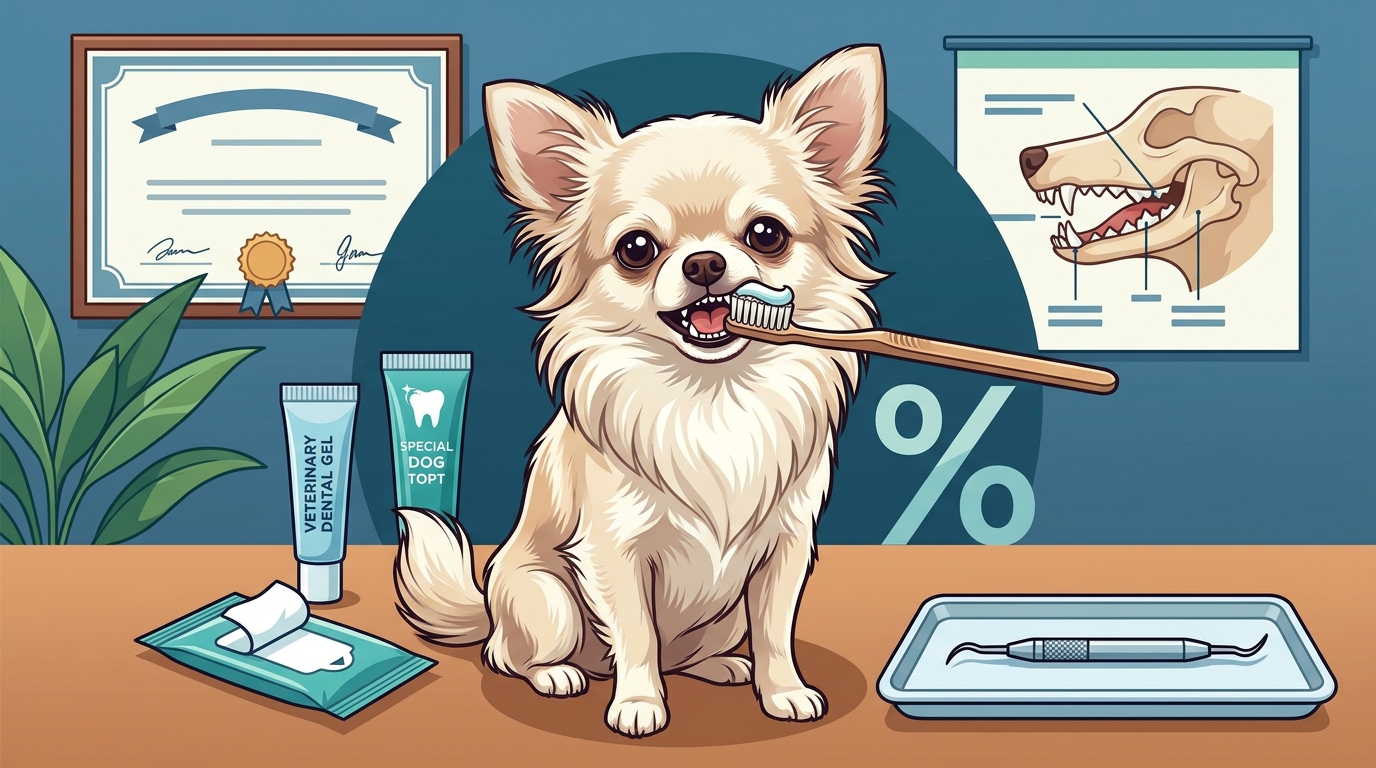
Start training your puppy to accept a toothbrush early. Use a finger brush or a small, soft-bristled toothbrush designed for dogs. Apply a small amount of dog-safe toothpaste, as human toothpaste contains fluoride and xylitol, which are toxic to dogs. Consistency is more important than perfection. Even a thirty-second session twice a day can significantly reduce the bacterial load in the mouth. This simple action prevents the need for expensive and stressful dental procedures later in life.
Dietary Choices and Dental Chews
What your Chihuahua eats plays a major role in oral hygiene. Dental chews are commercially available treats designed to mechanically scrape plaque from the teeth as the dog chews. Look for products with the Veterinary Oral Health Council (VOHC) seal of acceptance, which indicates they have been clinically proven to reduce plaque and tartar. These chews are a supplement to brushing, not a replacement. They help keep the mouth clean between brushing sessions.
Hard kibble can also provide some abrasive benefit, but it is not a cure-all. Many teacup Chihuahuas have sensitive stomachs or small jaws that make large kibble difficult to chew thoroughly. In these cases, a high-quality, small-breed kibble with a smaller particle size may be more effective. Avoid soft foods that stick to the teeth, such as raw meat or wet food, without following up with a brushing or a dental chew. The goal is to keep the teeth clean and the gums healthy through a combination of diet and mechanical cleaning.
Professional Veterinary Care and Cleanings
Even with perfect home care, most dogs will need a professional dental cleaning at some point. Prophylactic dentistry is the practice of preventing dental disease through regular professional cleanings and examinations. Veterinarians recommend a full oral examination at least once a year for small breeds. During this exam, the vet will check for signs of gum inflammation, tooth fractures, and early decay. If tartar is present, a professional cleaning under anesthesia is required to remove it from below the gumline.
Many owners fear anesthesia for their tiny Chihuahuas, but modern veterinary anesthesia is safe and monitored. The risk of untreated dental disease, which can lead to heart, liver, and kidney damage, far outweighs the minimal risks of a well-managed anesthetic procedure. At Teacup Tails, we advise all puppy buyers to establish a relationship with a trusted veterinarian early. Regular check-ups allow for early detection of issues before they become painful or life-threatening. This proactive approach ensures your Chihuahua enjoys a long, healthy life with a bright smile.
Recognizing Early Signs of Dental Trouble
If you notice any of these symptoms, schedule a veterinary appointment immediately. Early intervention can save teeth and prevent the spread of infection. Do not wait for your dog to show obvious pain, as by then the disease is likely advanced. Regular home inspections of your Chihuahua's mouth can help you catch issues early. Gently lift the lips to check the gums and teeth for any abnormalities. This simple habit can make a significant difference in your dog's oral health and overall well-being.
Key Takeaways
- Daily brushing is the most effective way to prevent dental disease in Chihuahuas.
- Small jaws and crowded teeth make Chihuahuas highly susceptible to periodontal disease.
- Use VOHC-approved dental chews as a supplement to brushing, not a replacement.
- Annual professional dental exams and cleanings are essential for long-term oral health. according to Dental Health MedlinePlus
- Persistent bad breath, swollen gums, or eating difficulties are early signs of dental trouble.
- Start dental training early to make brushing a positive routine for your puppy.
Frequently Asked Questions
How often should I brush my Chihuahua's teeth?
Ideally, you should brush your Chihuahua's teeth every day. If daily brushing is not possible, aim for at least three to four times a week. Consistency is key to preventing plaque buildup and tartar formation.
Can I use human toothpaste for my dog?
No, never use human toothpaste. It contains ingredients like fluoride and xylitol that are toxic to dogs. Always use a toothpaste specifically formulated for pets, which is safe if swallowed.
Do teacup Chihuahuas need more dental care than standard Chihuahuas?
Yes, teacup Chihuahuas often have more crowded teeth due to their smaller size. This makes them more prone to plaque accumulation and dental disease, requiring diligent daily brushing and regular professional check-ups.
Is anesthesia safe for a tiny Chihuahua?
Yes, modern veterinary anesthesia is safe and carefully monitored. The risks of untreated dental disease, which can affect vital organs, are far greater than the risks of a professional cleaning under anesthesia.
What should I do if my Chihuahua has bad breath?
Persistent bad breath is a sign of dental disease. Schedule a veterinary appointment for an oral examination. In the meantime, increase the frequency of brushing and use dental chews to help manage plaque.
Conclusion
Preventing dental problems in your tiny Chihuahua requires a commitment to daily care and professional oversight. By understanding the unique dental challenges of the breed and adopting a consistent hygiene routine, you can protect your pet's health and happiness. Teacup Tails is dedicated to raising healthy, beautiful Chihuahuas, and we encourage all owners to prioritize oral health from day one. For more information on caring for your teacup Chihuahua, visit Teacup Tails to learn more about our puppies and care resources.