
Chihuahua Coat Colors
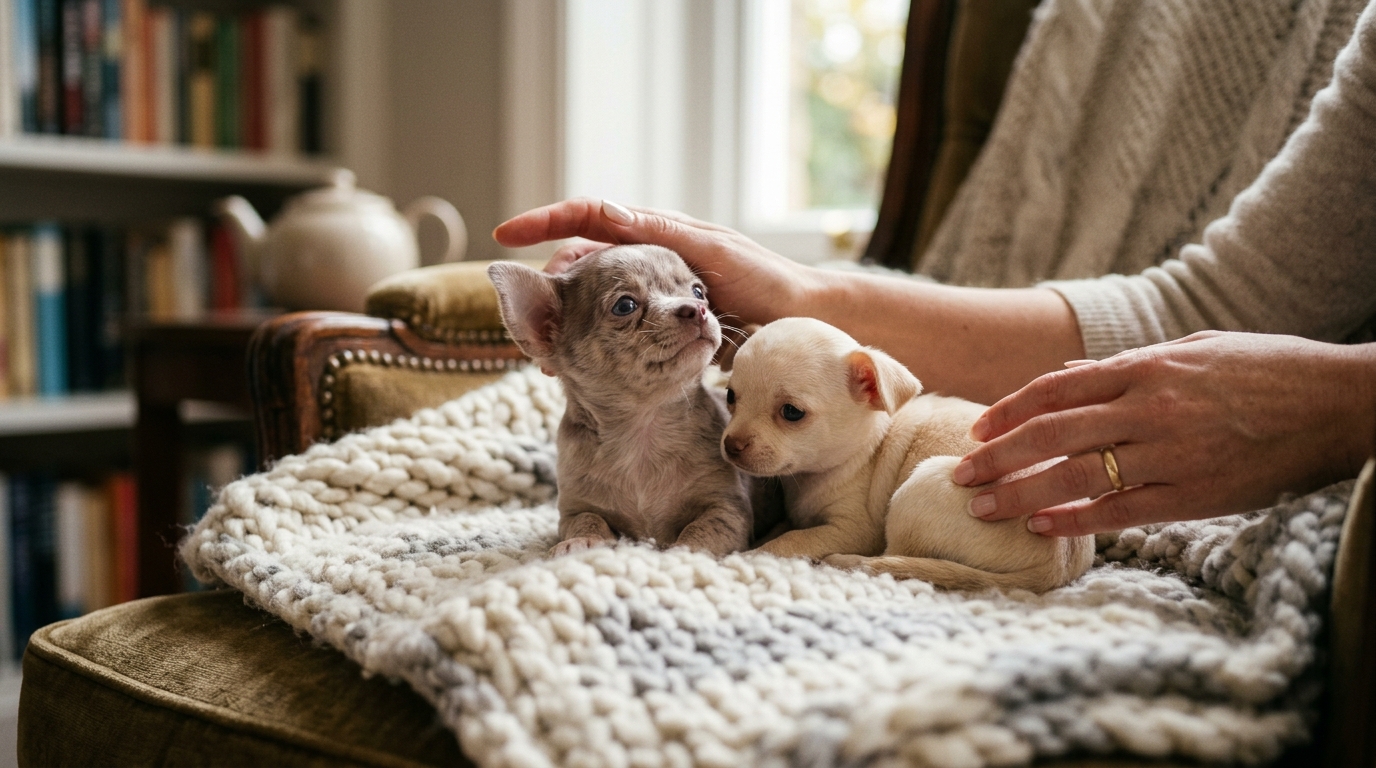
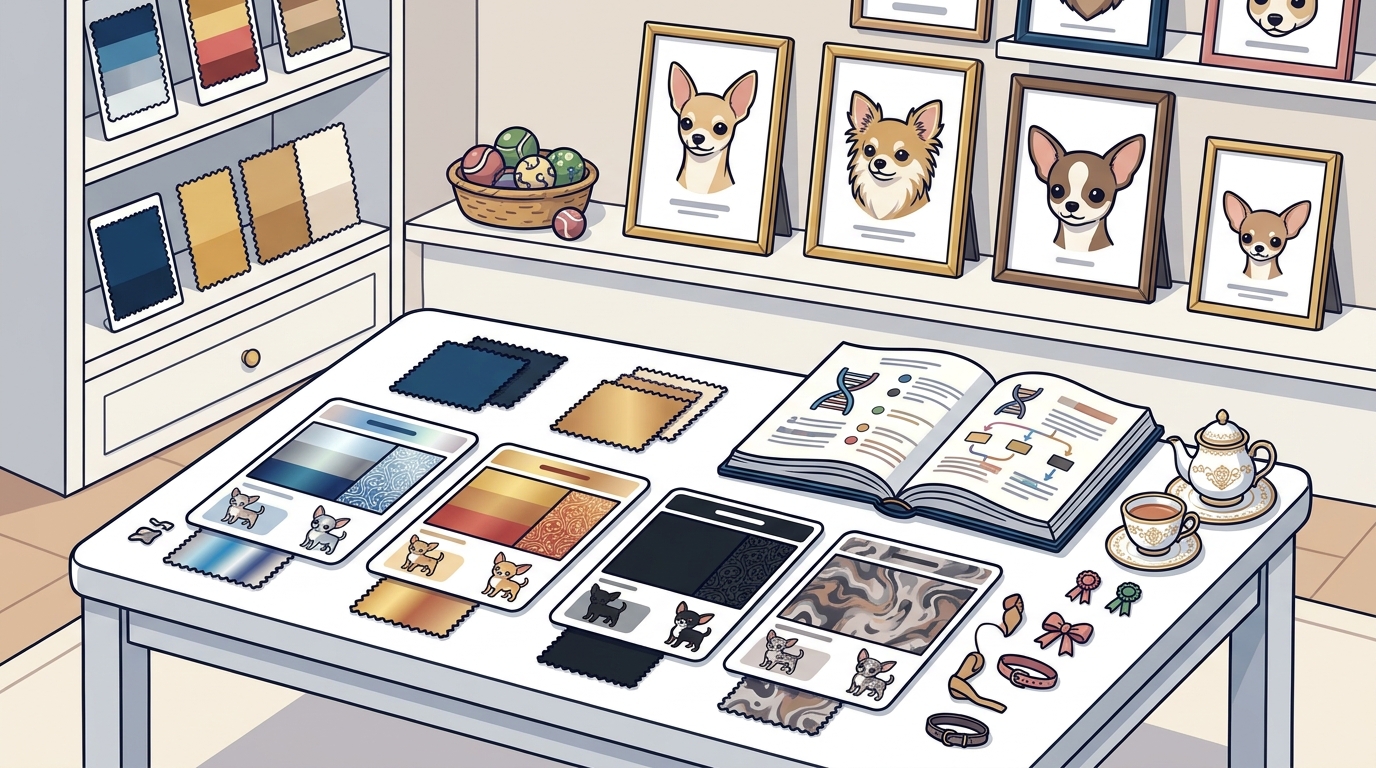
Chihuahua coat color is determined by a complex interaction of multiple genes. The breed is one of the most colorful in the canine world, offering a spectrum that ranges from solid black to rare merle patterns. Understanding these genetics helps owners appreciate the uniqueness of their pet. according to Teacup Statement Chihuahua For additional details, review the Teacup Micro Chihuahua Puppies.
Common and Rare Color Patterns
Genetic Inheritance of Color
Color inheritance follows Mendelian genetics. For example, the merle gene is dominant, but breeding two merle dogs together can result in double merle puppies, which often suffer from severe health issues. Responsible breeders, such as those at Teacup Tails, prioritize genetic health over extreme color combinations to ensure the well-being of the puppies.
Head Shape Varieties
Head shape is a defining characteristic of the Chihuahua. The breed is generally categorized into two main head types: the Apple Head and the Deer Head. These distinctions influence the dog's overall appearance and temperament. For additional details, review the AVAILABLE Teacup Chihuahua Puppies.
Apple Head Chihuahuas
Deer Head Chihuahuas
The Deer Head Chihuahua has a flatter skull and a longer, more tapered muzzle. This type is often associated with the Smooth Coat variety. Deer Head dogs may appear more slender and are frequently seen in teacup and micro classifications due to their lighter bone structure. For additional details, review the Best Blogs for Teacup.
Coat Types and Genetics
The Official AKC Breed Standard describes the Chihuahua as a small dog that comes in two varieties or coat types, as noted by the Chihuahua Club of America. The difference in coat type is the only official description used to identify a difference within this breed.
Smooth Coat vs. Long Coat
Smooth Coat Chihuahuas have a short, glossy coat that lies close to the body. Long Coat Chihuahuas have a silky, straight coat that may have a ruff around the neck and plumes on the ears and tail. The Long Coat variety is often preferred by owners who enjoy grooming and styling their pets.
Genetics of Coat Length
Coat length is determined by a single gene with two alleles. The short coat allele is dominant, while the long coat allele is recessive. This means that two short-coated parents can produce long-coated puppies if both carry the recessive gene. Understanding this inheritance pattern is crucial for predicting the appearance of future litters.
Teacup Sizing Concerns
Teacup Chihuahuas are not a separate breed but a size classification. They are typically smaller than the AKC standard, which allows for dogs weighing between 2 and 6 pounds. Teacup Chihuahuas usually weigh under 3 pounds, while micro Chihuahuas weigh under 2 pounds.
Health Implications of Small Size
Extremely small dogs face specific health challenges. Their delicate bone structure makes them prone to fractures, and their small size can complicate veterinary procedures. Responsible breeders focus on producing healthy, well-proportioned puppies rather than pursuing extreme smallness at the expense of health.
Ethical Breeding Practices
Ethical breeders prioritize the well-being of their dogs. They avoid breeding for extreme sizes that lead to health problems. Instead, they aim for a balance between size and health, ensuring that their teacup and micro Chihuahuas are robust and happy.
Health Screening and Welfare
Common Health Issues
Patellar luxation is a condition where the kneecap dislocates, causing lameness. Heart murmurs can indicate underlying cardiac issues. Dental problems are common due to the breed's small jaw and crowded teeth. Early detection and treatment are essential for maintaining the dog's quality of life.
Importance of Genetic Testing
Genetic testing helps identify carriers of hereditary diseases. By testing breeding stock, breeders can make informed decisions to reduce the risk of passing on harmful genes. This approach ensures that the puppies are not only beautiful but also healthy and long-lived.
Key Takeaways
- Chihuahuas come in a wide range of colors, including rare patterns like merle and brindle.
- Head shape is categorized into Apple Head and Deer Head types, each with distinct features.
- The AKC recognizes two coat types: Smooth Coat and Long Coat.
- Teacup Chihuahuas are a size classification, not a separate breed.
- Extremely small dogs face specific health challenges that require careful management.
- Ethical breeders prioritize health over extreme size or color.
- Regular health screening and genetic testing are essential for responsible breeding.
Frequently Asked Questions
Are teacup Chihuahuas a separate breed?
No, teacup Chihuahuas are not a separate breed. They are a size classification within the Chihuahua breed, typically weighing under 3 pounds.
What are the two official coat types of the Chihuahua?
The two official coat types are Smooth Coat and Long Coat. The Smooth Coat is short and glossy, while the Long Coat is silky and straight.
What is the difference between Apple Head and Deer Head Chihuahuas?
Apple Head Chihuahuas have a rounded, domed skull and a short muzzle. Deer Head Chihuahuas have a flatter skull and a longer, more tapered muzzle.
Are rare colors like merle healthy?
Rare colors like merle can be healthy if bred responsibly. However, breeding two merle dogs together can result in double merle puppies, which often suffer from severe health issues.
What health issues are common in teacup Chihuahuas?
How can I ensure I am buying from a reputable breeder?
Look for a breeder who prioritizes health over extreme size or color. They should provide health screening results and be transparent about their breeding practices. Teacup Tails is an example of a reputable breeder committed to the well-being of their dogs.